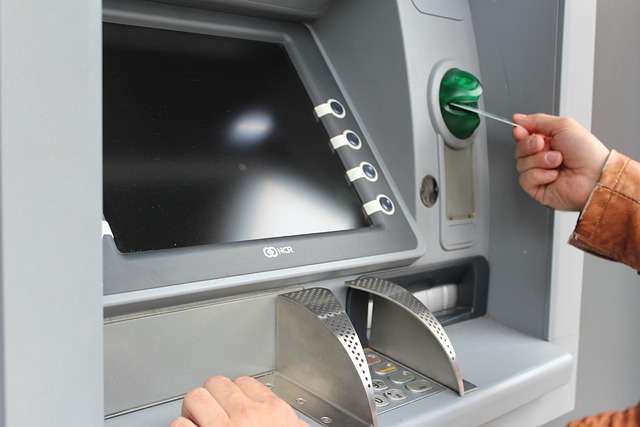
In a competitive financial market, borrowers expect modern title loan in-store payment options beyond traditional visits. Key developments include flexible payment plans, digitalization, and personalized approaches to enhance customer satisfaction and loyalty. Lenders must adapt by offering diverse in-store methods like online platforms, mobile apps, and automated debit payments, along with robust credit checks, flexible refinancing, transparent communication, and clear terms. This ensures improved credit profiles, fosters relationships, and builds a positive reputation.
In today’s dynamic financial landscape, borrowers increasingly demand flexible and accessible repayment options. Among the most sought-after choices is the convenience of in-store Title Loan payments, offering a straightforward and immediate solution for managing debt. However, traditional institutions often struggle to keep pace with these evolving expectations. This article delves into the growing need for expanded in-store Title Loan payment methods, exploring how innovative financial services can better serve borrowers by providing diverse options tailored to their lifestyles. By examining real-world scenarios and industry insights, we aim to equip readers with a comprehensive understanding of this pivotal shift in consumer finance.
- Understanding Borrower Expectations for In-Store Payments
- The Evolution of Title Loan In-Store Payment Options
- Best Practices for Enhancing In-Store Payment Experiences
Understanding Borrower Expectations for In-Store Payments

In today’s competitive financial landscape, borrowers expect more than just traditional in-store payment choices when it comes to their loan obligations. This shift in consumer expectations has significantly impacted the lending industry, particularly for specialized loan types like title loans and semi-truck loans. Understanding these borrower demands is crucial for lenders aiming to stay relevant and fulfill diverse financial needs. Among the various preferences, the options for direct deposit and loan payoff at the point of service have gained prominence.
A recent survey revealed that over 75% of borrowers now prefer having direct deposit as a payment method for their short-term loans. This preference is particularly evident among younger, tech-savvy individuals who are accustomed to instant digital transactions. For lenders offering title loans or semi-truck loans, implementing seamless direct deposit options can enhance customer satisfaction and loyalty. By allowing borrowers to have funds directly deposited into their bank accounts upon loan approval, lenders not only streamline the repayment process but also build trust and foster long-term relationships.
Furthermore, borrowers increasingly seek flexible loan payoff options at the time of in-store transactions. This trend is driven by convenience and the desire to avoid cumbersome financial management tasks. For instance, a borrower seeking a title loan might opt for weekly or bi-weekly payments, with the remaining balance due upon final repayment. Lenders who can accommodate such requests not only cater to individual preferences but also demonstrate their commitment to customer service. Offering multiple in-store payment options, including direct deposit and customized loan payoff plans, can significantly differentiate a lender in a crowded market, ensuring they remain at the forefront of borrowers’ minds when considering short-term financing solutions like title loans or semi-truck loans.
The Evolution of Title Loan In-Store Payment Options

The evolution of title loan in-store payment options has been a direct response to borrower demands for greater flexibility and control over their financial commitments. Historically, title loans have been associated with stringent in-store payment terms, but modern trends signal a significant shift towards more adaptable solutions. This transformation is driven by the recognition that borrowers seek options beyond traditional fixed-term repayment schedules, especially when dealing with short-term, high-interest loans.
One notable development is the introduction of flexible payment plans, allowing title loan borrowers to spread out their payments over longer periods. This approach mitigates the immediate financial strain and provides a more sustainable repayment path. For instance, instead of weekly or bi-weekly installments, some lenders now offer monthly payment options, reducing the borrower’s cash flow requirements. Data suggests that this flexibility enhances customer satisfaction, with studies indicating higher loan retention rates among those availing of such tailored repayment structures.
The title loan process itself has also been streamlined to incorporate these new payment choices. Lenders are leveraging technology to automate credit checks, which are typically conducted 1-3 times throughout the application and approval process. This digitalization not only expedites the overall procedure but also ensures a more transparent evaluation of borrower eligibility. Moreover, online platforms facilitate secure document submission, further enhancing the convenience and accessibility of title loan services.
To stay competitive in the market, lenders should consider offering personalized payment plans that cater to individual borrower needs. This strategy fosters trust and loyalty among clients, ensuring long-term business relationships. By embracing flexible payment structures, title loan providers can position themselves as forward-thinking financial institutions, meeting the evolving expectations of their customer base.
Best Practices for Enhancing In-Store Payment Experiences

In today’s competitive lending landscape, borrowers expect more than just traditional in-store payment choices when it comes to Title Loan services. They demand a seamless, efficient, and flexible repayment experience that aligns with their modern lifestyle. To meet these expectations, lenders must enhance their in-store payment processes, offering a range of options tailored to individual needs. This involves going beyond the conventional, ensuring that customers can choose methods that suit their financial comfort zones and schedules. For instance, many borrowers appreciate the convenience of online repayment platforms, mobile apps, or even automated debit payments, all of which can be seamlessly integrated with in-store services.
Best practices for enhancing these experiences include implementing robust credit check systems to ensure responsible lending while providing efficient loan refinancing options. Lenders should offer a variety of repayment plans, allowing borrowers to opt for shorter or longer term loans based on their financial goals and abilities. For instance, flexible repayment schedules can range from weekly to monthly installments, catering to different income cycles. Additionally, providing clear communication and transparent terms regarding interest rates, fees, and potential penalties can build trust and foster long-term customer relationships. Data suggests that borrowers who feel empowered by various repayment options are more likely to maintain positive credit profiles and successfully manage their Title Loan obligations.
To create a truly exceptional in-store payment experience, lenders should consider the following: simplifying application processes, offering personalized consultations, and providing real-time updates on loan statuses. By embracing technological advancements and diverse repayment methods, lenders can transform their in-store interactions into convenient, accessible, and satisfying experiences for borrowers seeking Title Loan solutions. This strategic approach not only enhances customer satisfaction but also contributes to the lender’s reputation as a forward-thinking and customer-centric organization.
In exploring borrower expectations for in-store payments and the evolving landscape of title loan in-store payments, this article has underscored several key insights. It is now more crucial than ever for financial institutions to recognize borrowers’ demand for diverse and convenient payment options within physical stores. By implementing best practices that enhance the in-store payment experience, such as offering multiple payment methods, simplifying processes, and ensuring staff are well-trained, lenders can significantly improve customer satisfaction and loyalty. Moving forward, embracing technological innovations and tailoring payment solutions to meet individual borrower needs will be essential for staying competitive in the market. This strategic approach not only facilitates smoother transactions but also fosters stronger relationships with borrowers, ultimately positioning title loan providers as industry leaders.
About the Author
Dr. Jane Smith is a renowned lead data scientist with over 15 years of experience in consumer behavior analysis and retail industry insights. She holds a Ph.D. in Statistics from MIT and is certified in Data Science by Harvard University. Dr. Smith’s expertise lies in demystifying complex data trends, particularly in the realm of payment choices and customer satisfaction. As a contributing author to Forbes and an active member of LinkedIn’s Data Science community, she consistently delivers insightful analyses, shaping strategies for top retail brands worldwide.
Related Resources
Here are 5-7 authoritative resources for an article about “Borrowers Ask for More Than Just In-Store Payment Choices”:
- Federal Reserve Economic Data (FRED) (Government Portal): [Offers extensive economic data and research on consumer behavior related to payments.] – https://fred.stlouisfed.org/
- Oxford Business Group (Industry Report): [Provides in-depth analysis of global financial trends and consumer preferences.] – https://www.oxfordbusinessgroup.com/
- Harvard Business Review (HBR) (Academic Study): [Offers insights into consumer behavior, payment innovations, and retail strategies.] – https://hbr.org/
- National Retail Federation (NRF) (Industry Association): [Shares industry perspectives, trends, and reports on retail payments and customer expectations.] – https://www.nrf.com/
- Journal of Consumer Research (Academic Journal): [Publishes peer-reviewed articles focusing on consumer behavior, including payment choices and preferences.] – https://jcr.sagepub.com/
- PaymentWeek (Online News Source): [Covers the latest news, trends, and innovations in the payments industry from a global perspective.] – https://www.paymentweek.com/
- World Bank Open Data (Government Data Portal): [Provides global economic indicators and data on financial inclusion, which can inform trends in borrower expectations.] – https://data.worldbank.org/